Paver Sealing Company Near Me: Wake County Guide
- John M
- Jul 12
- 8 min read

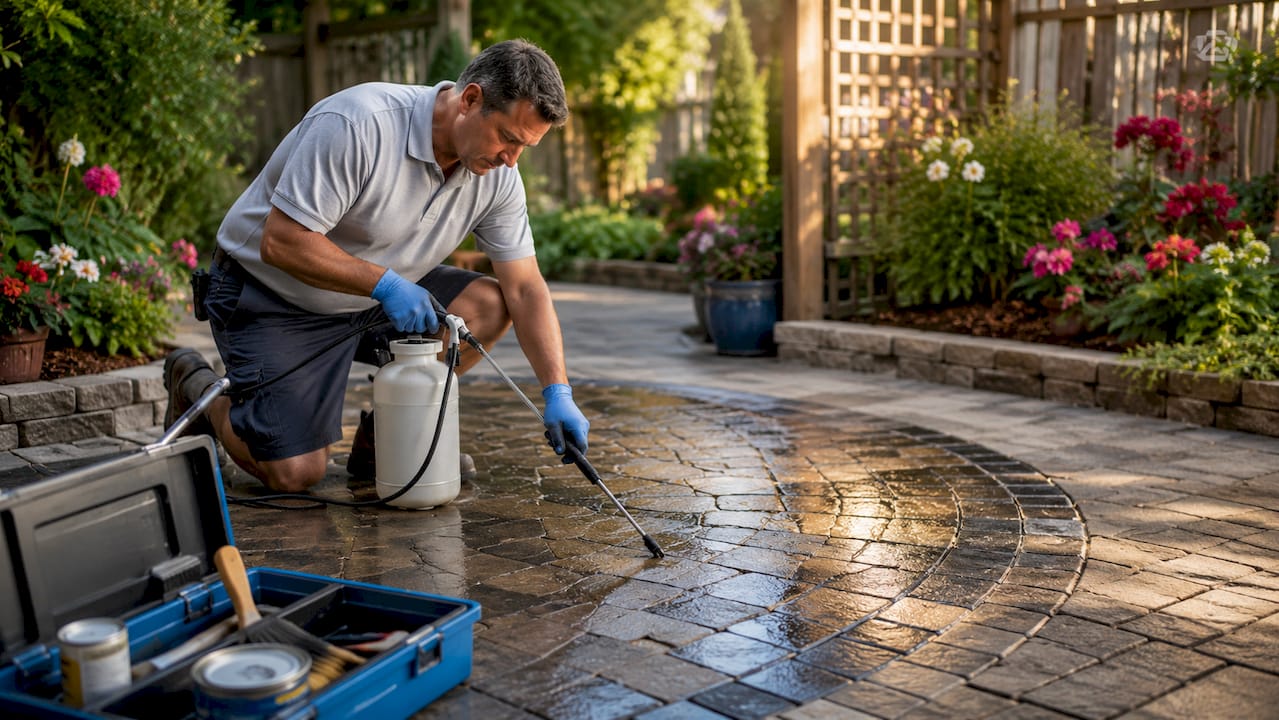
Paver sealing is the process of applying a protective sealant layer to brick, concrete, or stone paved surfaces to guard them against stains, UV fading, weed growth, and joint shifting. For homeowners and property managers in Wake County, NC, finding the right paver sealing company near me means more than a quick Google search. It means vetting a contractor who understands North Carolina’s humid summers, heavy spring rains, and clay-heavy soils. Truesealcoating’s Clean & 7-Year Seal system is built specifically for these conditions, serving Cary, Apex, Raleigh, and the greater Triangle area.
Need professional paver sealing in Cary, Apex, or Raleigh? Explore our residential services and request your free quote today.
What does a professional paver sealing service actually include?
Professional paver sealing is not a single step. It is a multi-stage process, and skipping any part of it leads to early failure.
Here is what a qualified paver sealing company delivers from start to finish:
Surface cleaning. Commercial-grade pressure washing removes dirt, algae, mildew, and old sealer residue. Chemical stripping may be needed if a previous sealer has bonded poorly or turned hazy.
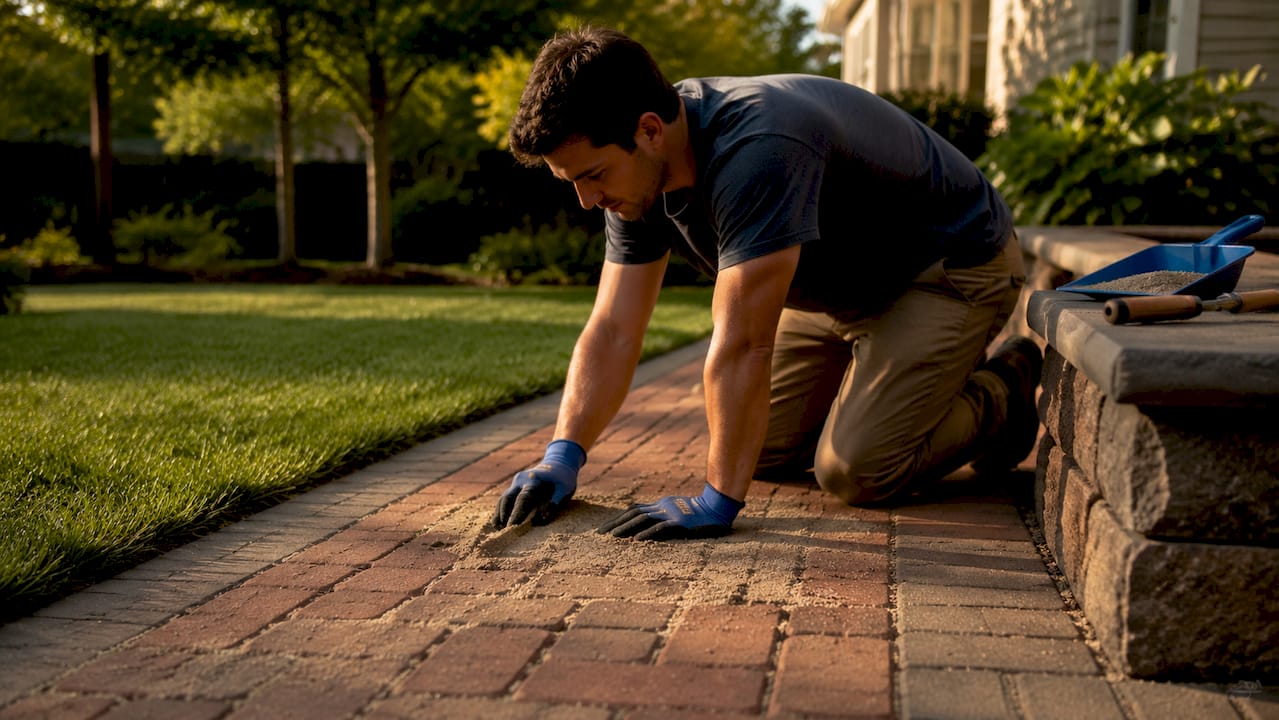
Joint sand restoration. Joint re-sanding locks pavers in place and prevents weed growth. This step is the most commonly skipped in low-cost jobs, and it is the one that causes the most structural problems later.
Drying period. Sealing damp pavers traps moisture beneath the coating, causing clouding, bubbling, and early peeling. Proper conditions require temperatures between 50°F and 90°F and a dry window of 24–48 hours post-cleaning before any sealer is applied.
Sealant selection. Not all pavers take the same product. Natural stones like travertine or granite can be damaged by standard film-forming sealers. A specialist matches the sealant chemistry to the paver material and the local climate.
Application. Professional equipment applies the sealer evenly, avoiding pooling, streaking, or overspray onto adjacent surfaces.
The difference between a specialist and a general contractor offering sealing as a side service is preparation. Specialists prioritize thorough prep and durable application. General contractors often rush the cleaning phase and skip joint sand work entirely.
Pro Tip: Ask any contractor you interview to describe their drying protocol. If they cannot tell you how long they wait between cleaning and sealing, walk away.
How much does paver sealing cost in Wake County?
Pricing for professional paver sealing in Wake County follows a clear pattern once you understand what drives the numbers.
Professional paver sealing ranges from $0.50 to $3.00 per square foot. A 500 sq. ft. patio typically costs between $750 and $1,500. That range exists because surface condition, joint sand work, sealant type, and site accessibility all affect the final price.
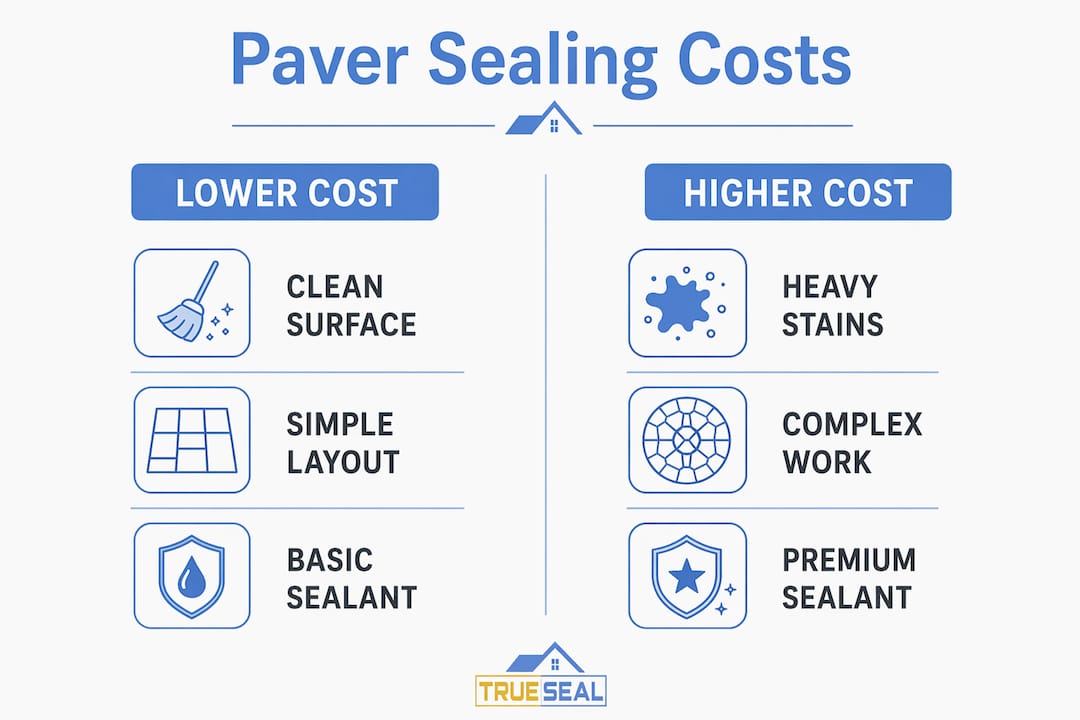
Factor | Lower cost | Higher cost |
Surface condition | Clean, recently maintained | Heavy staining, old sealer to strip |
Joint sand work | Sand intact, minor top-up | Full polymeric sand replacement |
Sealant type | Standard acrylic film-former | Penetrating or specialty stone sealer |
Area size and access | Open, flat driveway | Tight courtyard, steps, or slopes |
Service type | Sealing only | Full paver restoration services |
A bid that comes in well below $0.50 per square foot is a warning sign. It almost always means the contractor is skipping prep steps, using consumer-grade products, or planning a single thin coat that will fail within a season or two.
Pro Tip: Request an itemized quote that separates cleaning, joint sand work, and sealing. A contractor who cannot break down the line items is bundling corners they plan to cut.
For a detailed look at how driveway sealing costs compare across service levels in Raleigh, Truesealcoating has published a local pricing breakdown worth reviewing before you collect quotes.
What are the benefits and potential downsides of sealing pavers?
Sealing pavers delivers real, measurable protection. It also comes with a few legitimate trade-offs worth knowing before you commit.
Core benefits of professional sealing:
Stain resistance. Sealed pavers repel oil, grease, and organic stains that would otherwise soak into the surface permanently.
UV protection. Five key benefits of professional sealing include UV resistance that prevents color fading, which is a major concern in Wake County’s long, sun-heavy summers.
Joint sand stabilization. A properly sealed surface locks polymeric sand in place, stopping weed germination and ant activity between joints.
Easier cleaning. Sealed surfaces shed dirt and debris faster, reducing the time and effort needed for routine maintenance.
Prevention of shifting and sinking. Stable joints mean pavers stay level longer, reducing the risk of trip hazards or water pooling.
Potential downsides to know:
Slippery surfaces. A high-gloss film-forming sealer on a wet patio can reduce traction. A matte or low-sheen penetrating sealer avoids this problem.
Appearance change. Some sealers darken or add a wet-look sheen. If you prefer the natural look of your pavers, ask for a sample application on a small section first.
Premature failure from poor prep. Sealing failure within 2 years commonly results from sealing over damp surfaces or failing to remove old sealer. This is a contractor problem, not a product problem.
Sealing is recommended for most concrete, brick, and manufactured stone pavers in Wake County. It is optional for some natural stones where a penetrating sealer is preferred over a film-forming coat.
How to choose a reputable paver sealing company near me in Wake County
Choosing the right paver restoration company in Wake County comes down to a short list of non-negotiable criteria.
What to verify before hiring:
Licensing and insurance. An up-to-date certificate of insurance is non-negotiable. Ask for it before any work begins. Licensing requirements vary by county, so confirm the contractor meets North Carolina standards.
Experience with local materials and climate. Wake County’s humidity and clay soil create specific challenges. A contractor who works regularly in Cary, Apex, or Raleigh will know which sealers hold up and which fail after one wet season.
Warranty terms. Warranties should explicitly cover installation failures like peeling, flaking, or hazing. A warranty that only covers the product and not the workmanship protects the contractor, not you.
Detailed, itemized quotes. A trustworthy paver restoration company near me provides a written quote that breaks down every service. Vague estimates are a red flag.
On-site assessment. Any contractor quoting by phone or photo alone is guessing. Surface condition, joint sand status, and existing sealer type all require an in-person look.
Questions to ask every contractor:
What cleaning method do you use, and how long do you wait before sealing?
Do you restore joint sand as part of the service?
What sealant brand and formula do you use for my paver type?
What does your warranty cover, and for how long?
Can you provide references from Wake County projects in the past 12 months?
Homeowners benefit from asking detailed questions about preparation steps and warranty coverage to avoid being sold low-quality add-on sealing services. A specialist who treats hardscape sealing and restoration as their core business will answer every one of these questions without hesitation.
How to maintain sealed pavers and extend their lifespan
Sealed pavers are easier to maintain than unsealed ones, but they still need consistent care to reach their full lifespan.
Follow these steps to protect your investment after a professional sealing service:
Clean gently and regularly. Use a garden hose or low-pressure rinse to remove debris. Avoid harsh chemical cleaners, bleach, or acidic products that break down the sealer film.
Address stains quickly. Sealed surfaces resist staining, but spills left for days can still penetrate. Wipe up oil, grease, or organic material as soon as you notice it.
Monitor joint sand. Professional joint sand restoration prevents weed growth and maintains surface integrity. If you see sand washing out or weeds emerging between joints, schedule a top-up before the next sealing cycle.
Run the water bead test. Pour a small amount of water on your pavers. If it beads up and rolls off, the sealer is working. If it absorbs into the surface within seconds, the sealer has worn down and it is time to consult a paver repair company for resealing.
Schedule resealing on time. Most quality sealers last 3–5 years under normal conditions. Truesealcoating’s Clean & 7-Year Seal system is engineered to extend that window significantly for Wake County properties.
Pro Tip: Before any resealing appointment, review pre-sealing preparation steps to understand what your contractor should be doing before the first drop of sealer hits your surface.
Key Takeaways
Choosing a qualified paver sealing company in Wake County requires verifying insurance, demanding itemized quotes, and confirming the contractor uses climate-appropriate sealants with a workmanship warranty.
Point | Details |
Prep determines quality | Cleaning, drying, and joint sand work must happen before any sealer is applied. |
Cost reflects service depth | Quotes below $0.50 per sq. ft. almost always indicate skipped prep or inferior materials. |
Warranty must cover workmanship | Demand coverage for peeling, flaking, and hazing, not just product longevity. |
Local climate matters | Wake County’s humidity requires sealers that resist moisture entrapment and UV degradation. |
Water bead test signals reseal time | If water absorbs instead of beading, the sealer has worn down and resealing is due. |
What we see on Wake County jobs every season
After working on driveways, patios, and walkways across Cary, Apex, Raleigh, and Morrisville, the pattern is consistent. The jobs that fail early share one thing: the contractor skipped the dry window. We have stripped and redone surfaces that were sealed over damp pavers by other crews. The clouding and bubbling are unmistakable, and the only fix is a full strip and restart.
North Carolina’s climate is not forgiving. The combination of summer humidity, afternoon thunderstorms, and UV intensity means the sealer you choose has to handle moisture from below and heat from above at the same time. Local climate directly impacts sealing product choice, and in a humid region like Wake County, that means using sealers specifically formulated to resist moisture entrapment and UV degradation. A product that performs well in Arizona will fail here within a year.
The most common misconception we hear from homeowners is that sealing is just cosmetic. It is not. It is structural. Stable joints, locked sand, and a moisture barrier are what keep pavers from shifting, sinking, and cracking over time. The curb appeal is a side benefit of doing the technical work correctly.
— TrueSeal
Schedule your paver sealing service with Trueseal
If your pavers are fading, staining easily, or showing weeds between the joints, they are telling you the sealer is gone.

Truesealcoating serves homeowners and property managers across Wake County with our Clean & 7-Year Seal system, built for North Carolina’s climate and applied by licensed, insured professionals. Every job starts with an on-site assessment, an itemized quote, and a workmanship warranty. Whether you manage a residential driveway in Apex, a patio in Cary, or a commercial property in Raleigh, our residential paver sealing and commercial surface protection services are designed to protect your surfaces for years. Request your free, no-obligation quote today and find out exactly what your pavers need.
FAQ
What is included in a professional paver sealing service?
A professional paver sealing service includes commercial-grade surface cleaning, joint sand restoration, a required drying period, and application of a sealant matched to your paver material. Skipping any of these steps leads to early failure.
How long does paver sealing last in Wake County, NC?
Most quality sealers last 3–5 years under normal conditions. Wake County’s humidity and UV exposure can shorten that window if the wrong product is used or prep steps are skipped.
How much does paver sealing cost near me in Wake County?
Professional paver sealing typically ranges from $0.50 to $3.00 per square foot. A 500 sq. ft. patio runs approximately $750–$1,500 depending on surface condition, joint sand work, and sealant type.
How do I know if my pavers need resealing?
Pour water on the surface. If it absorbs instead of beading up, the sealer has worn down and your pavers need a fresh application from a qualified paver restoration company.
What should I ask a paver sealing company before hiring them?
Ask for proof of insurance, a breakdown of their prep process, the specific sealant they plan to use for your paver type, and a written warranty that covers workmanship failures like peeling and hazing.
Recommended
Comments