How Long Does Concrete Sealer Last in North Carolina?: A Homeowner's Guide

Updated: Aug 12
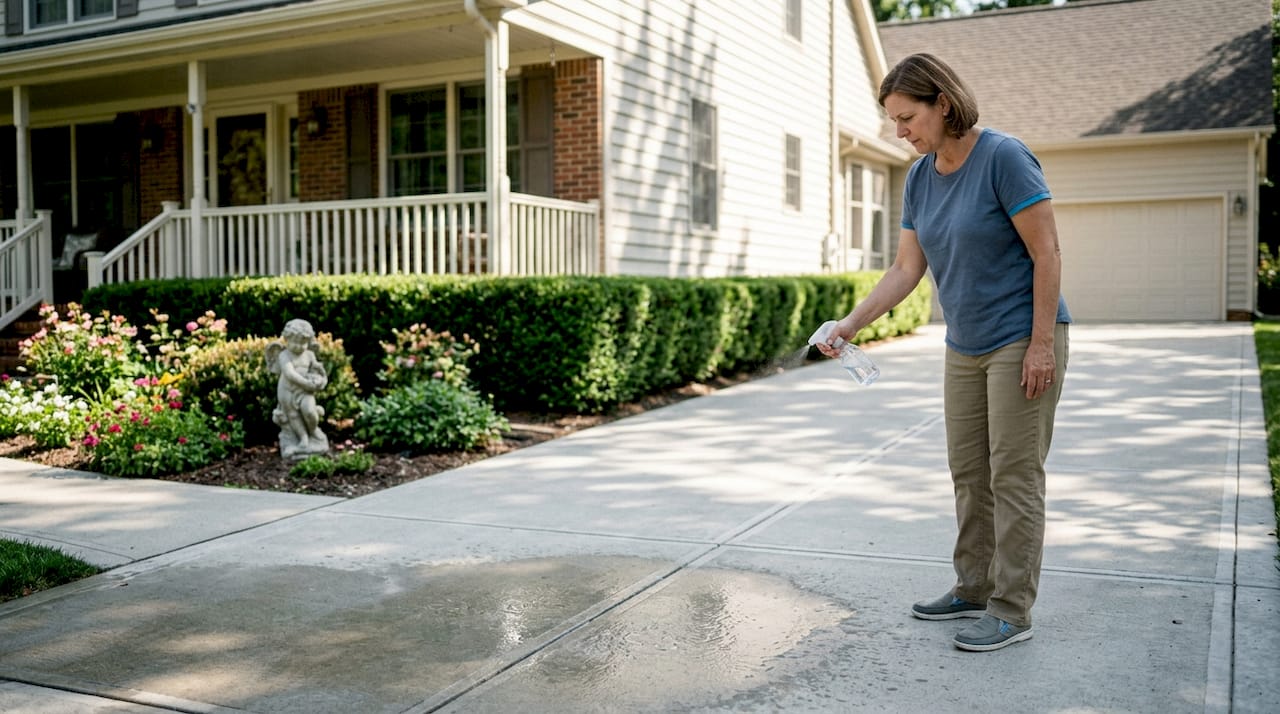
Concrete sealer lifespan ranges from 1 to 10 years, depending on the sealer type, your local climate, and how well the surface is maintained. Acrylic sealers wear out fastest, often needing reapplication every 1–3 years. Penetrating silane-siloxane sealers, the industry standard for outdoor concrete protection, can last 5–10 years because they bond below the surface rather than forming a film on top. For homeowners and property managers in Wake County, where humid summers and occasional freeze events put real stress on exterior surfaces, knowing how long does concrete sealer last is the first step toward a smarter maintenance plan.
How long does concrete sealer last by type?
Sealer type is the single biggest factor in concrete sealer lifespan. Each chemistry works differently, wears differently, and fits different surfaces.
Sealer Type | Typical Lifespan | Best Use Case |
Penetrating silane-siloxane | 5–10 years | Outdoor driveways, patios, walkways |
Acrylic (film-forming) | 1–3 years | Decorative concrete, covered areas |
Polyurethane | 3–7 years | Interior floors, light commercial |
Epoxy | 3–7 years | Garage floors, high-traffic interiors |
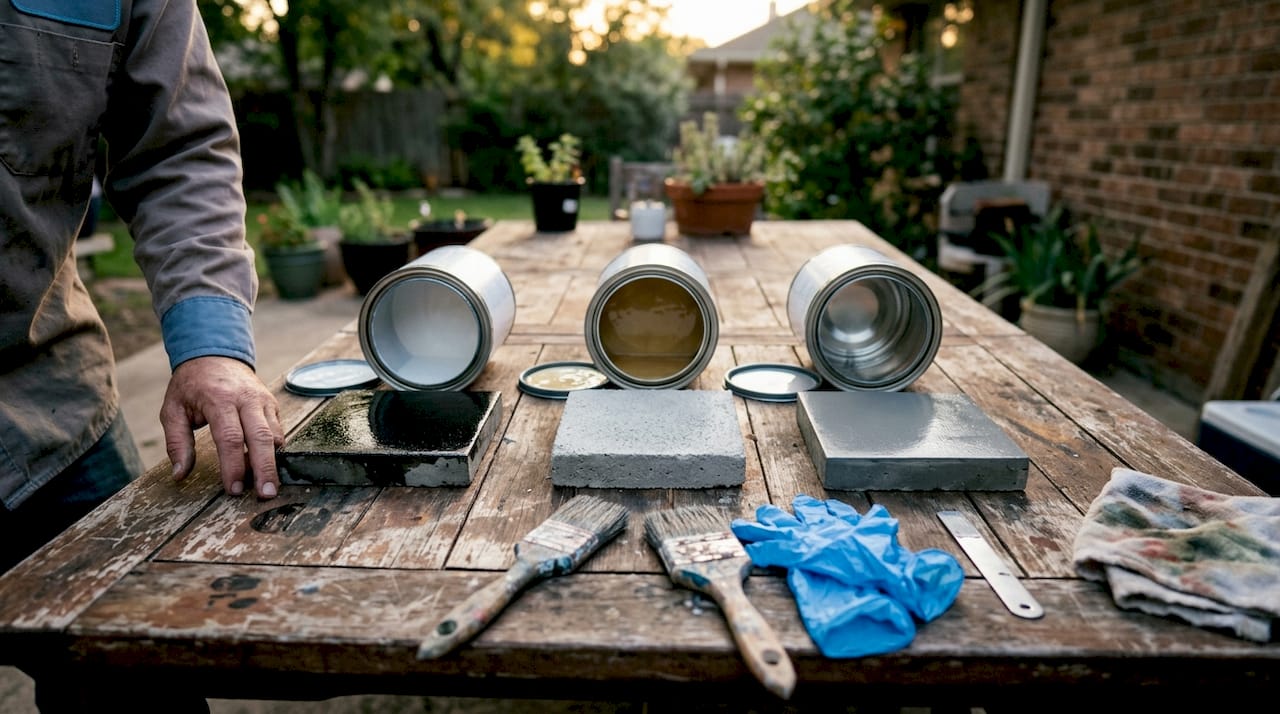
Penetrating sealers last 5–10 years by soaking into the concrete matrix and repelling water from within. That subsurface bond is what gives them their durability advantage over every film-forming product on the market.
Acrylic sealers sit on top of the concrete and create a visible sheen. Many homeowners choose them for the glossy, wet-look finish. The trade-off is real: acrylics require reapplication every 1–3 years and do not offer the same moisture protection as penetrating products. Gloss is not the same as protection.
Polyurethane and epoxy sealers fall in the middle range, typically lasting 3–7 years. Both work best indoors or in covered areas with controlled conditions. Epoxy bonds exceptionally well to garage floors. Polyurethane handles foot traffic and light vehicle loads without breaking down quickly.
Here is what each sealer type delivers in practical terms:
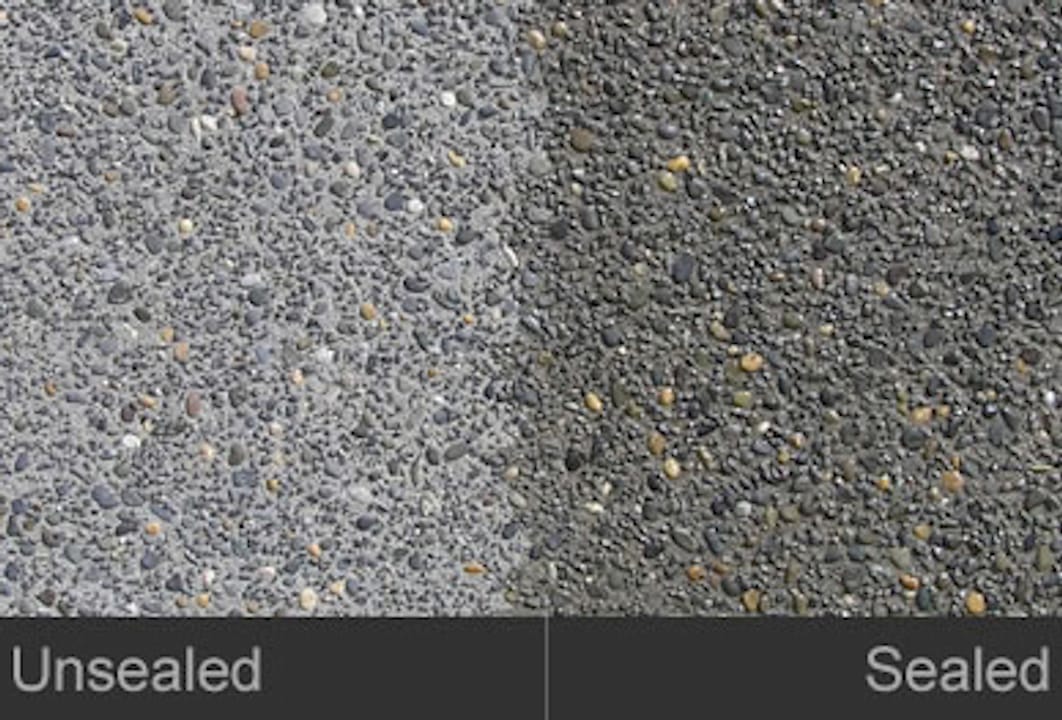
Penetrating silane-siloxane: No surface film, no peeling, no color change. Water and salt cannot penetrate the concrete matrix.
Acrylic: Attractive finish, fast application, but requires more frequent maintenance over time.
Polyurethane: Flexible and abrasion-resistant, better than epoxy for areas with temperature swings.
Epoxy: Hard, chemical-resistant surface ideal for garage floors and industrial interiors.
What environmental factors shorten concrete sealer durability?
Climate and usage patterns wear sealers down faster than most homeowners expect. Wake County sits in a humid subtropical zone, which creates specific stress patterns for exterior concrete.
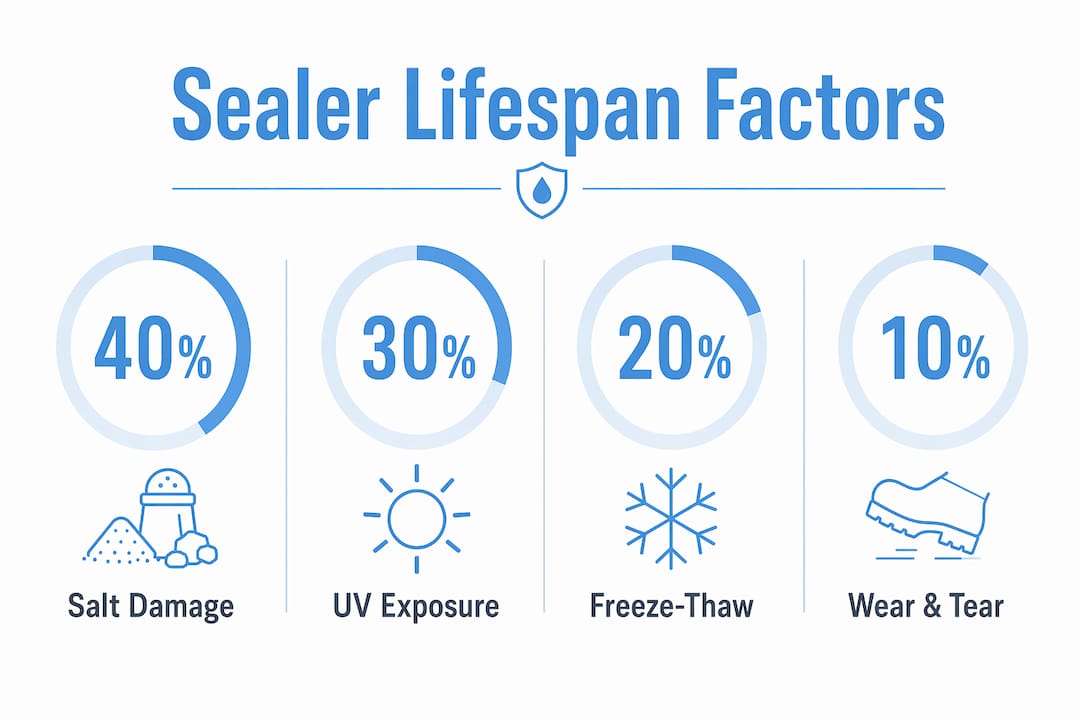
Heavy road salt and freeze-thaw cycles can reduce sealer lifespan by 20–40%. That reduction is significant. A penetrating sealer rated for 10 years in a mild climate may need attention in 6–7 years in a harsher environment.
UV exposure is a separate problem for film-forming sealers. Acrylic and polyurethane coatings break down under direct sunlight over time, turning chalky or yellowing. Penetrating sealers are not affected by UV in the same way because there is no surface film to degrade.
Film-forming sealers trap moisture when applied in humid or freeze-thaw conditions, causing peeling and flaking. Once a film-forming sealer starts peeling, the repair process is expensive. You have to strip the old sealer completely before reapplying.
The factors that shorten sealer life most consistently include:
Freeze-thaw cycles combined with road salt or deicing chemicals
Direct UV exposure on south-facing or unshaded surfaces
Heavy vehicle traffic and abrasive wear on driveways
Pressure washing with high-heat or high-pressure settings that strip the sealer prematurely
Chemical spills from vehicles, fertilizers, or cleaning products
Pro Tip: Avoid using deicing salts on sealed concrete during winter months. Sand provides traction without attacking the sealer chemistry.
How do you know when it’s time to reseal concrete?
Annual inspections beat rigid calendar schedules every time. A sealer that looks fine at the two-year mark may still be performing well. One that was applied over a poorly prepared surface may fail within 12 months.
The water bead test is the most reliable real-world method to check sealer condition. Sprinkle water on the concrete surface and watch what happens. If the water beads up and rolls off, the sealer is still working. If the water soaks in and darkens the concrete, the sealer has worn off and reapplication is needed.
Demand-based resealing using this test avoids unnecessary expense and prevents you from applying a new coat over a sealer that still has life left. Layering sealer on top of a functioning coat can cause adhesion problems.
Walk through this inspection process once a year, ideally in spring after winter stress:
Clean a small section of the concrete surface with water.
Let it dry completely, then pour a small amount of water on the surface.
Watch for 60 seconds. Beading means the sealer is intact. Absorption means it is time to reseal.
Check for visible signs of wear: surface dullness, flaking, cracking, or white haze.
Look at high-traffic areas first. Those spots wear fastest and give you the earliest warning.
Pro Tip: Test multiple spots across the surface, not just one area. Sealers wear unevenly, especially on driveways where tire paths take the most abuse.
Surface preparation before resealing is non-negotiable. Cleaning the concrete thoroughly before any new application removes the oil, dirt, and moisture that cause adhesion failure.
Best practices for applying concrete sealer to maximize lifespan
Getting the most out of any sealer starts before the product ever touches the surface. Application timing, surface condition, and product selection all determine how long the protection holds.
Wait at least 28 days after pouring new concrete before applying any sealer. Concrete releases moisture as it cures. Sealing too early traps that moisture inside, which weakens the bond and shortens sealer life significantly. Some penetrating sealers allow application at 14 days per product specifications, but 28 days is the standard recommendation for most products.
Surface contamination is the leading cause of early sealer failure. Oil, dirt, algae, and residual moisture all prevent the sealer from bonding correctly. Even a high-quality product fails within 12–24 months on a poorly prepared surface. That is not a product failure. That is a preparation failure.
High solid content sealers in the 20–40% range last longer than low-solid products, but only when applied to clean, porous concrete. On a contaminated or sealed surface, solid content does not matter because adhesion fails first.
Follow these practices to get the full rated life from any sealer:
Clean the surface completely before every application. Pressure washing removes biological growth, oil stains, and loose material.
Let the concrete dry fully after cleaning. Moisture trapped under a sealer causes bubbling and peeling.
Match the sealer to the surface. Outdoor driveways in Wake County benefit most from penetrating silane-siloxane products. Interior garage floors are better candidates for epoxy or polyurethane.
Apply in the right conditions. Temperatures between 50°F and 90°F with low humidity give the best adhesion results.
Avoid harsh cleaning chemicals on sealed surfaces. Bleach and acidic cleaners break down sealer chemistry faster than normal wear.
Rinse the surface regularly to remove salt, fertilizer residue, and vehicle fluids that degrade the sealer over time.
Routine care between applications extends sealer life more than most homeowners realize. A sealed driveway that gets rinsed monthly and kept free of chemical spills will outlast a neglected one by years.
Key Takeaways
Penetrating silane-siloxane sealers deliver the longest concrete sealer lifespan, lasting 5–10 years, while proper surface preparation and demand-based resealing are the two practices that most directly determine how long any sealer performs.
Point | Details |
Sealer type drives lifespan | Penetrating sealers last 5–10 years; acrylics need reapplication every 1–3 years. |
Climate accelerates wear | Freeze-thaw cycles and road salt can cut sealer life by 20–40%. |
Water bead test is the standard | If water absorbs instead of beading, the sealer has worn off and resealing is needed. |
Surface prep determines success | Even premium sealers fail within 12–24 months on contaminated or wet concrete. |
New concrete needs 28 days | Sealing before full cure traps moisture and shortens sealer life significantly. |
What I’ve learned about realistic sealer expectations
After seeing hundreds of concrete surfaces across Wake County, the pattern is clear: most sealer failures are not product failures. They are timing and preparation failures.
Homeowners often reseal on a fixed schedule, say every two years, regardless of what the surface actually needs. That approach wastes money when the sealer is still performing and causes problems when the new coat goes over a surface that was not properly cleaned. The water bead test takes two minutes and tells you exactly what you need to know.
The other mistake I see regularly is choosing a sealer based on appearance rather than chemistry. Acrylic sealers look impressive right after application. That glossy finish is appealing. But for an exposed driveway in Cary or Apex that sees summer heat, humidity, and the occasional cold snap, a penetrating silane-siloxane product will outlast an acrylic by years and require far less maintenance over time.
Matching sealer chemistry to your actual use case is the decision that pays off long term. A garage floor and an outdoor patio have completely different needs. Treating them the same way leads to early failure on one or both. Spend the time upfront to choose the right product for the right surface, prepare that surface correctly, and then let the water bead test tell you when it is time to act again.
— John
Professional concrete sealing services in Wake County
Knowing the right sealer and applying it correctly are two different skills. Truesealcoating works with homeowners and property managers across Cary, Apex, Raleigh, and greater Wake County to match the right sealer chemistry to each surface and apply it with professional preparation methods that maximize lifespan.
Truesealcoating’s residential concrete sealing services include thorough surface cleaning, moisture assessment, and application of high-performance penetrating sealers built for North Carolina’s climate. For property managers overseeing multiple surfaces, Truesealcoating also offers commercial surface protection programs designed to reduce long-term maintenance costs. Request a quote and get a surface assessment from a team that treats sealing as a science, not a shortcut.
FAQ
How often should you reapply concrete sealer?
Reapplication frequency depends on sealer type and surface conditions. Acrylic sealers typically need reapplication every 1–3 years, while penetrating silane-siloxane sealers can last 5–10 years. Use the water bead test annually to determine the right timing for your surface.
Does concrete sealer wear off faster in hot climates?
UV exposure and heat accelerate breakdown in film-forming sealers like acrylics. Penetrating sealers are less affected by UV because they work below the surface and do not form a film that can degrade or peel.
Can you apply new sealer over old sealer?
You can apply new sealer over old sealer only if the existing coat is still bonded and the surface is clean. If the old sealer is peeling or flaking, it must be stripped completely before reapplication. Applying over a failing coat causes adhesion failure in the new layer.
What happens if you seal concrete too early?
Sealing before the 28-day cure period traps moisture inside the concrete. That trapped moisture weakens the sealer bond and causes bubbling, peeling, or premature failure. Most manufacturers require full cure before any sealer application.
Is a glossy sealer better than a matte penetrating sealer?
Gloss does not indicate better protection. Acrylic sealers produce a wet-look finish but offer less moisture protection and shorter lifespan than penetrating sealers. For outdoor concrete exposed to weather, a penetrating sealer protects more effectively even though it does not change the surface appearance.
Recommended
Comments